1. Walk the site
The team checks every room, shelf and corner where containers may be hiding. It counts and photographs what it finds before touching anything.
Crocker, MO · Pulaski County
Call (877) 812-4220 if chemical waste is leaking, spreading or stored badly at a Crocker site. Crews work to protect people, soil and drains and remove the hazard with the right equipment.
If anyone is in danger, call 911 first. For a suicide crisis, call or text 988.
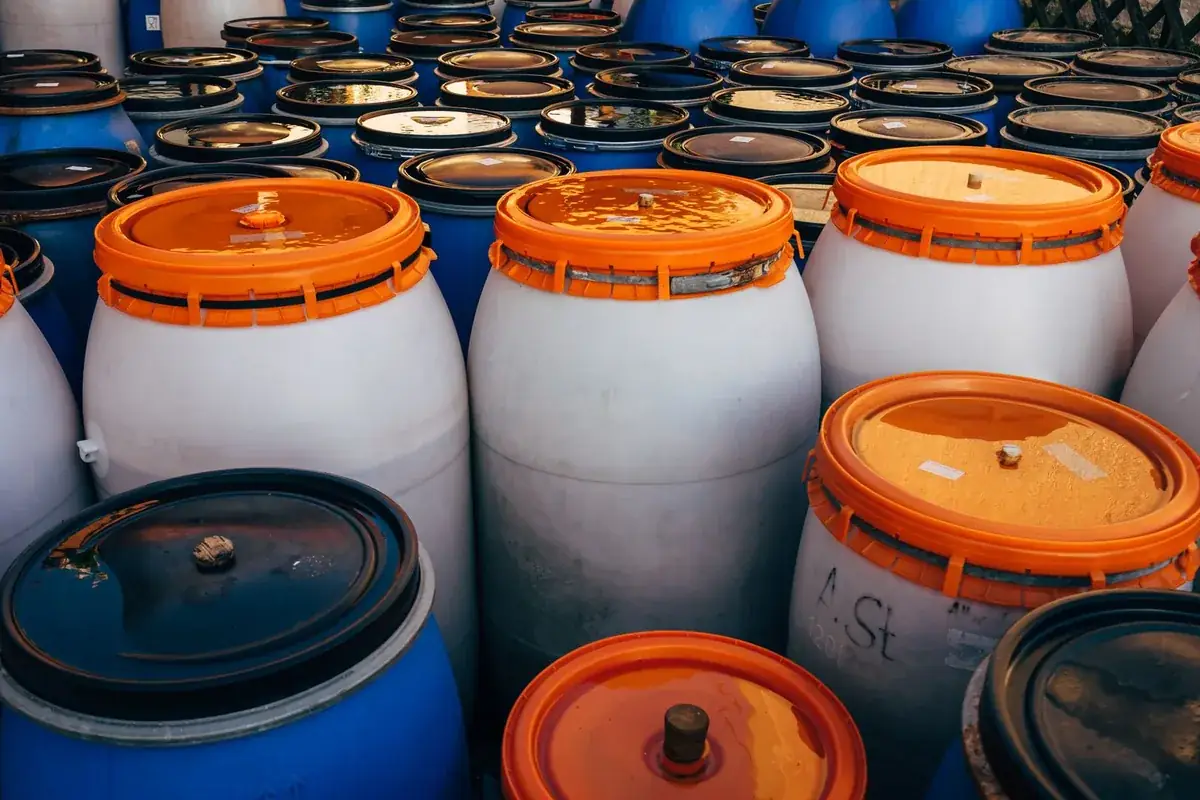
Hazardous waste removal is the process of collecting, sorting, labeling and transporting dangerous materials by the rules that apply to them. It protects people, pets, soil and water from exposure.
Need hazardous waste cleanup across Pulaski County, including Crocker? Call Crocker Biohazard Cleanup Help. Your crew sorts products by type, packages them so they cannot react and cleans the surfaces they leave behind.
Older housing is common in Crocker, around 72% built before 1980, so leftover chemicals turn up when homes are cleared out or sold. Crocker receives about 48 inches of rain a year, and rain can wash spilled chemicals into yards, ditches and drains.
A typical chemical & toxic waste cleanup job includes:
The team checks every room, shelf and corner where containers may be hiding. It counts and photographs what it finds before touching anything.
People and pets are kept out. Ignition sources and unsafe airflow are controlled, and workers put on protective gear matched to the hazard.
Hazardous material, empty containers and soaked items go into sealed drums or bags. Hard surfaces are cleaned, and porous materials that soaked up the substance are removed.
Waste is packed and hauled to an approved facility. The owner receives a summary of what was removed, so there is a record for insurers or buyers.
The cost of chemical & toxic waste cleanup in Crocker, MO depends on the amount of material, how it is packed and how it is hauled.
Size and spread matter. A spill on a sealed floor is far less work than one that soaked into soil, concrete or porous materials like wood and drywall.
| Type of job | Typical range |
|---|---|
| Hazardous chemicals | $30 - $50 per barrel |
Estimates only, not a quote. Sources: Fixr. Price drivers include type of chemical, amount, packaging and transport, disposal fees. Call (877) 812-4220 to talk through the job.
Many jobs take part of a day to a few days. A small spill may be quick. A large release, a soaked site or many unknown containers take longer, and waste pickup can add time. A local team can give a better estimate after seeing the site.
It depends on the substance, the amount, the spread and the disposal fees. Published ranges vary widely. The local team gives a real price after it sees the site or hears the details. Ask what is included and what could change.
Small spills of familiar household products may be manageable with the label's directions. Unknown, large or hazardous spills are not. Never mix products. If in doubt, leave the area, keep people and pets out and call 911 or Poison Control.
Biological hazards come from living things, such as bacteria, viruses and body fluids. Chemical hazards come from substances like solvents, acids, fuels and pesticides. They need different gear, products and disposal, and some jobs involve both.
It depends on the substance. Teams choose absorbent materials, tools and cleaning products to match it, and they follow the maker's safety data sheet. Household products are not mixed together. Ask what the team plans to use and why.
OSHA sets safety rules for workers who handle hazardous substances. Professional crews follow those rules and use gear matched to the hazard. Employers have their own duties, which safety staff or an attorney can explain.
Day or night, the call starts with safety.
Call (877) 812-4220